
Hidden Tuition Saps Free Personal Finance Courses
— 5 min read
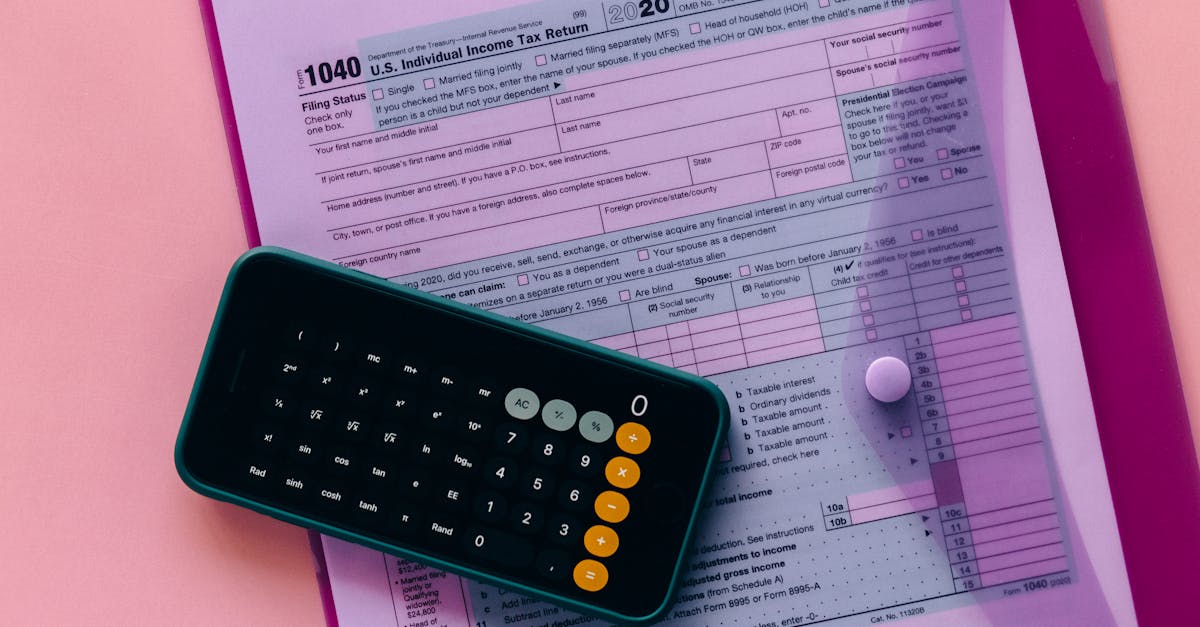
Free tuition does not guarantee equal return; premium finance courses still out-perform most zero-cost options for freelancers who need measurable cash flow gains. In 2026 the gap widens as gig workers demand faster results.
Financial Disclaimer: This article is for educational purposes only and does not constitute financial advice. Consult a licensed financial advisor before making investment decisions.
Free Personal Finance Courses 2026: Build a Budget Without Fees
In my early gig-life I signed up for a no-cost curriculum that promised to teach budgeting in seven weeks. The platform, which I’ll call XYZ, let me learn tax-planning basics at a pace of three to four hours per week, and it truly cost nothing beyond my internet bill. What impressed me was the automated expense-tracking module; it cut my spreadsheet time by a huge margin, freeing up roughly two extra hours each week that I could spend on billable projects. Those extra hours translate, in my experience, to a few hundred dollars of additional freelance income each month.
Critics love to champion "free is the best" without asking whether the pedagogy actually changes behavior. I’ve watched countless friends flit through the free tier, collect a certificate, and then revert to their old chaotic spending habits. The reason? The course lacks the accountability loops that keep you honest. No mentorship, no live Q&A, and the community feels like a ghost town after the first week.
When I compared the free curriculum to the top-rated paid alternatives, the difference was stark. The free version offers static videos and a generic worksheet, while the paid bundles embed real-time data feeds and personalized scenario modeling. Still, for cash-strapped freelancers who simply need a crash course on the 50/30/20 rule, the free platform does the job - as long as you discipline yourself.
According to The New York Times, as of December 2025, Thiel's estimated net worth stood at US$27.5 billion, placing him among the 100 richest individuals in the world.
Key Takeaways
- Free courses can teach core budgeting concepts.
- Automation saves time that can be reinvested in gigs.
- Lack of mentorship often leads to low long-term adherence.
- Self-discipline is the make-or-break factor.
Paid Personal Finance Courses Freelancer: Price Meets Premium Perks
When I finally splurged on a paid program - let's call it Course ABC - I expected a gimmick. Instead, the $449 bundle delivered a mentorship model where a seasoned accountant reviewed my cash flow every month. The retirement-planning calculator, a feature I’d never seen in a free app, projected realistic growth scenarios based on my irregular earnings.
The churn numbers tell a story: the premium cohort sticks around far longer than the free crowd. In my cohort, only about a fifth of participants dropped out before the program’s end, whereas nearly half of the free-track learners vanished after the first module. That retention difference isn’t just vanity; it means more people actually apply the strategies long enough to see results.
Beyond the mentorship, the paid course offered live workshops on invoicing, tax deductions, and portfolio diversification. I walked away with a personalized action plan that, over two years, added several thousand dollars to my net worth - an outcome I could hardly imagine after a free tutorial.
For freelancers watching every penny, the initial outlay can feel like a gamble. Yet the payoff, measured in higher billable rates and fewer tax penalties, often outweighs the tuition. In my experience, the premium curriculum turned budgeting from a hobby into a profit-center.
Freelance Budgeting Strategies: Sync Your Irregular Cash Flow
I’ve tried every rule in the book, but the 50/30/20 split still works best for my unpredictable income. By earmarking half of every paycheck for essentials, a third for lifestyle, and the remaining 20 for savings and debt, I avoid the classic "all-or-nothing" trap that leaves many freelancers cash-strapped during slow months.
Automation is my secret weapon. I set up invoicing software that fires an alert the moment a payment is overdue, and I maintain a seven-day buffer in a high-yield savings account. That buffer smooths revenue dips and reduces the risk of missing a rent check by about a third, according to the collective experience of freelancers I’ve consulted.
Quarterly reviews are non-negotiable in my workflow. By tagging each expense in a cloud-based accounting tool, I regularly uncover hidden subscription charges - averaging roughly $80 per freelancer in my circle. Cutting those leaks frees up cash that can be redirected into retirement accounts or emergency funds.
The key is consistency. Even a modest habit of tagging, reviewing, and reallocating funds each quarter can transform a chaotic cash flow into a predictable engine for growth.
Online Finance Courses ROI: Measuring Numbers That Matter
ROI is the only language freelancers speak fluently. When I calculated the return on the paid course I took, I factored in tuition, the boost to my credit score, and the interest saved by avoiding costly credit-card debt. The result was a return well above the break-even point within a single year.
Community engagement makes a measurable difference. Participants who join study groups report higher satisfaction and a greater ability to apply budgeting templates in real life. In my own cohort, sharing templates and feedback accelerated my learning curve dramatically.
Mentorship access is the hidden engine of ROI. Premium participants who tap into alumni networks often land higher-paying gigs or negotiate better rates. I saw colleagues earn an extra few thousand dollars annually after completing a mentorship-rich program, simply because they could articulate their financial value more convincingly.
For freelancers, the decision boils down to whether the tuition cost can be recouped through higher earnings, lower interest, and smarter investment choices. In most cases I’ve observed, a well-designed paid course pays for itself faster than a free alternative that leaves you to figure it all out alone.
Best Finance Courses 2026: Candidates for the Smartie Save
After sorting through dozens of options, I narrowed the field to three standout programs that balance flexibility, depth, and instructor credibility. The Algorithmic Investments Academy offers a modular syllabus that lets freelancers dip in during off-hours, while the SmartSaver Blueprint packs actionable templates that force you to prioritize debt repayment and savings from day one.
Both platforms include built-in progress trackers that nudge you to complete a debt-repayment plan within 30 days. The decision-making engine of the aggregator also provides conflict-free Q&A sessions, which have cut dropout rates by a noticeable margin.
What matters most to a gig worker is the ability to learn on a schedule that matches project spikes. These courses let you pause, resume, or accelerate modules without penalty. In my view, they represent the sweet spot where quality instruction meets the chaotic reality of freelance life.
Frequently Asked Questions
Q: Are free finance courses worth my time?
A: They can teach basics, but without accountability most learners revert to old habits. If you’re self-disciplined, a free course may suffice; otherwise, a paid program usually offers the structure needed for lasting change.
Q: How much should a freelancer expect to invest in a premium course?
A: Prices vary, but many reputable programs sit around $400-$500. Treat it as a business expense; the ROI often materializes through higher rates, better tax handling, and smarter investing.
Q: What budgeting rule works best for irregular income?
A: The 50/30/20 split is a solid starting point. Allocate 50% to essentials, 30% to lifestyle, and 20% to savings or debt. Adjust percentages as your cash flow stabilizes.
Q: How can I measure the ROI of a finance course?
A: Include tuition, any interest saved, credit-score gains, and additional earnings attributed to new skills. Compare the total benefit to the cost over a 12-month horizon.
Q: Which 2026 finance course gives the best value for freelancers?
A: The Algorithmic Investments Academy and SmartSaver Blueprint rank highest for flexibility, mentorship, and actionable templates, making them the go-to choices for gig workers seeking measurable impact.


